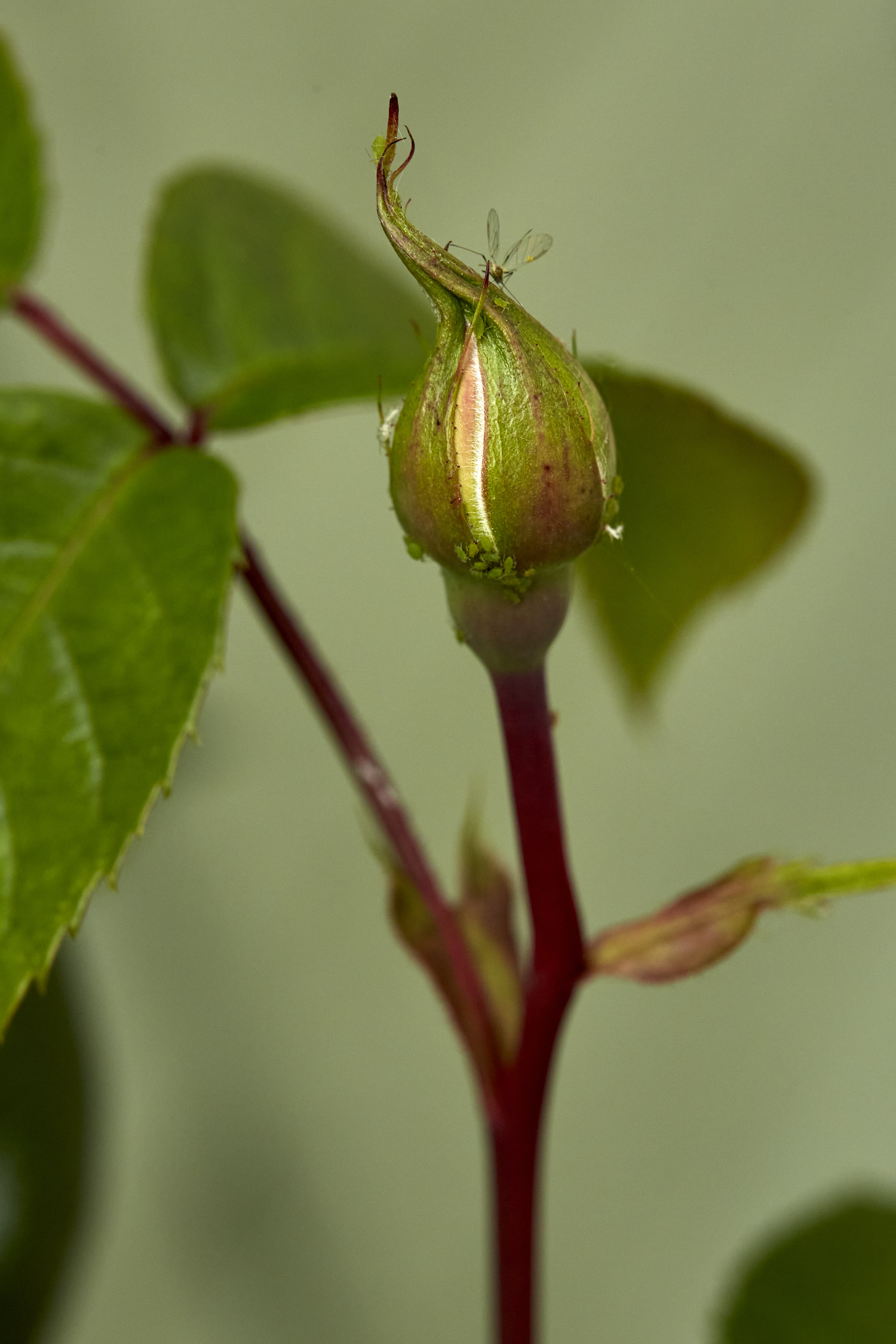
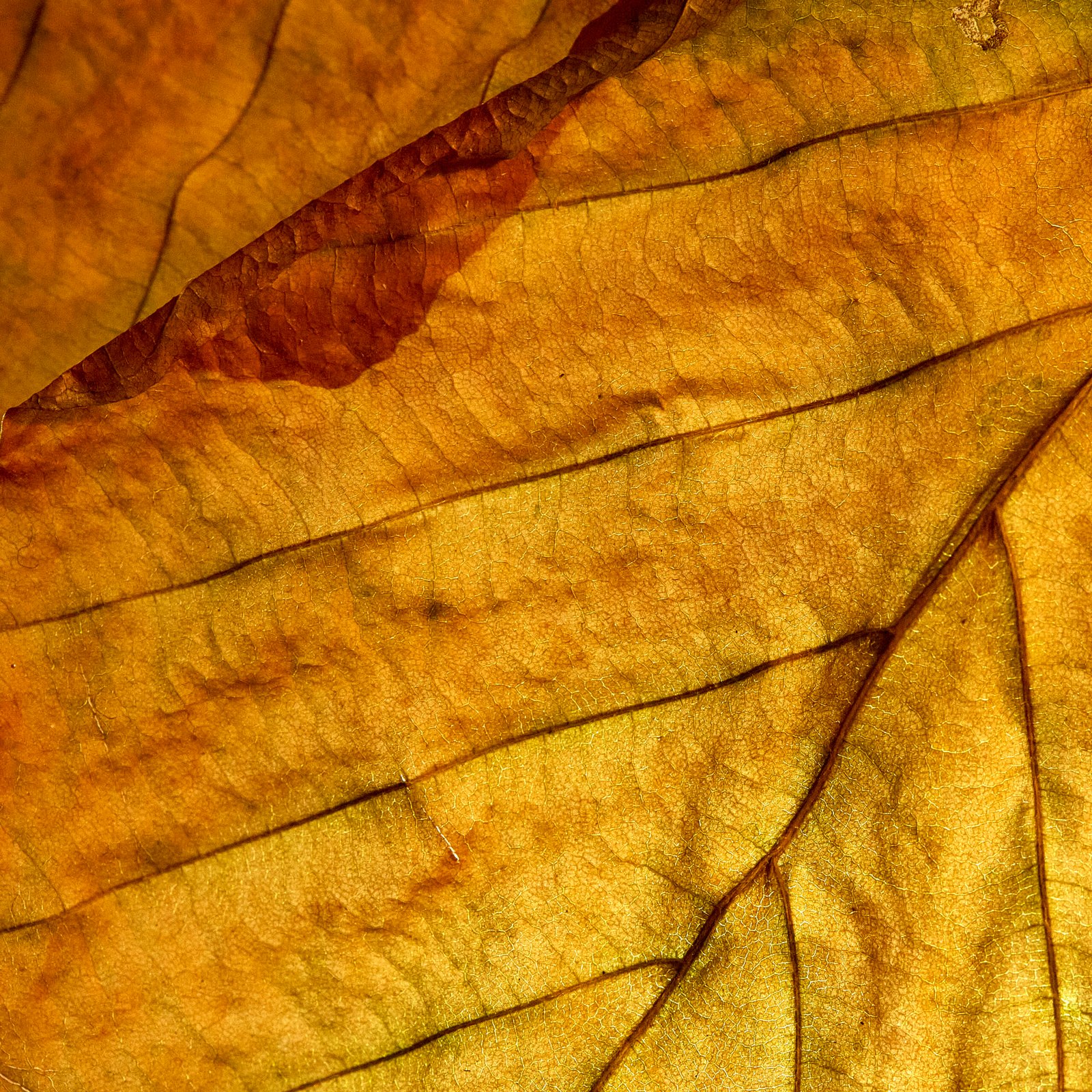
Nature does not merely nourish; it designs. Beneath the delicate silhouette of a blossom lies an intricate architecture, governed by structure, proportion and a quiet geometric harmony. Long before human intellect gave names to such forms, nature had already arrived at them.
It is perhaps no coincidence that contemporary architecture so often looks to the natural world for inspiration. Structures that appear remarkably light can possess extraordinary strength; forms that seem organic can be governed by precise relationships between proportion, balance and repetition. The ancient fable of the reed that bends before the storm while the rigid tree breaks expresses the same idea in simpler terms: strength does not always come from resisting movement, but from understanding it.
The geometry of flowers offers another example. The arrangement of petals around a centre, the progression of leaves along a stem and the spiralling patterns found in seed heads reveal an order that can be both mathematically precise and visually elegant.
The relationship between mathematics and beauty has long fascinated artists. Art historians continue to debate the extent to which the Golden Ratio and Fibonacci sequence were deliberately employed in celebrated works, or whether their presence has sometimes been identified retrospectively. Nature, however, provides a rather more immediate demonstration of how mathematical relationships can produce forms that feel balanced, efficient and beautiful.
This is what makes flowers so interesting to photograph. Their beauty is not merely decorative. It is the visible result of structure, adaptation and an extraordinary economy of form.
Perhaps this is also why the natural world and architecture have more in common than first appears. One is shaped by human intention, the other by processes that have evolved over time. Yet both can produce rhythm, proportion, repetition and balance.
For me, that is where the photograph begins: not with the flower as an object of beauty, but with the structures hidden within it.