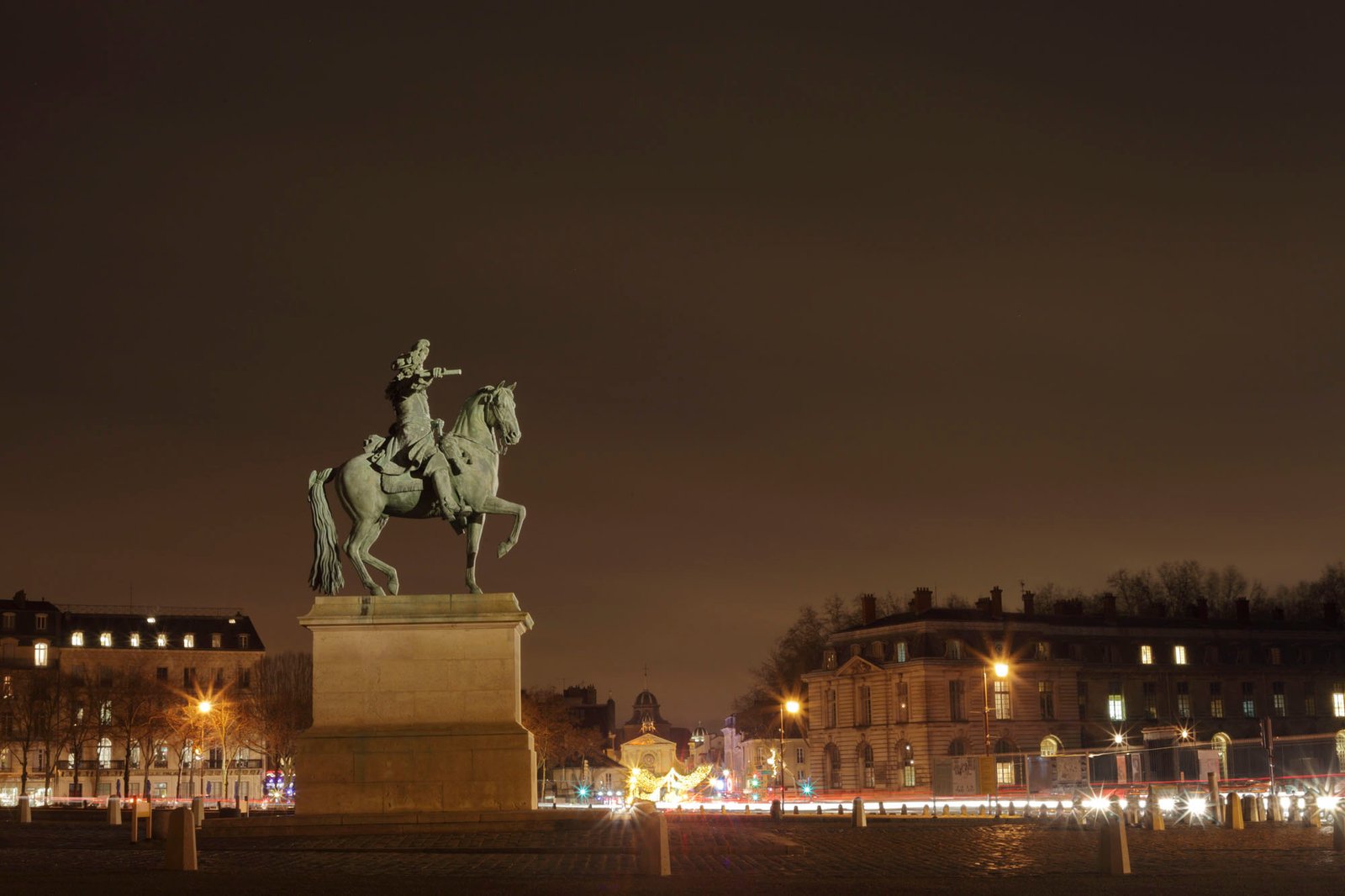
Louis XIV left much more than a monument to “all the glories of France”. In the nineteenth century, the palace itself nearly shared the fate of its vanished neighbour at Marly.
The town long ago outgrew its original purpose: serving the Palace, housing the machinery of government and accommodating the court and its countless attendants. Today, for many visitors, it is little more than a place to stop for lunch or buy a souvenir after visiting the Palace.
Yet the town’s fortunes have long been tied to those of its royal neighbour. When the court and government were forced to returned to Paris during the Revolution, the population collapsed, reducing Versailles to a sleepy provincial town. The transformation of the Palace into a museum, alongside the tumultuous political events of the nineteenth century, marked a critical turning point in the town’s revival.
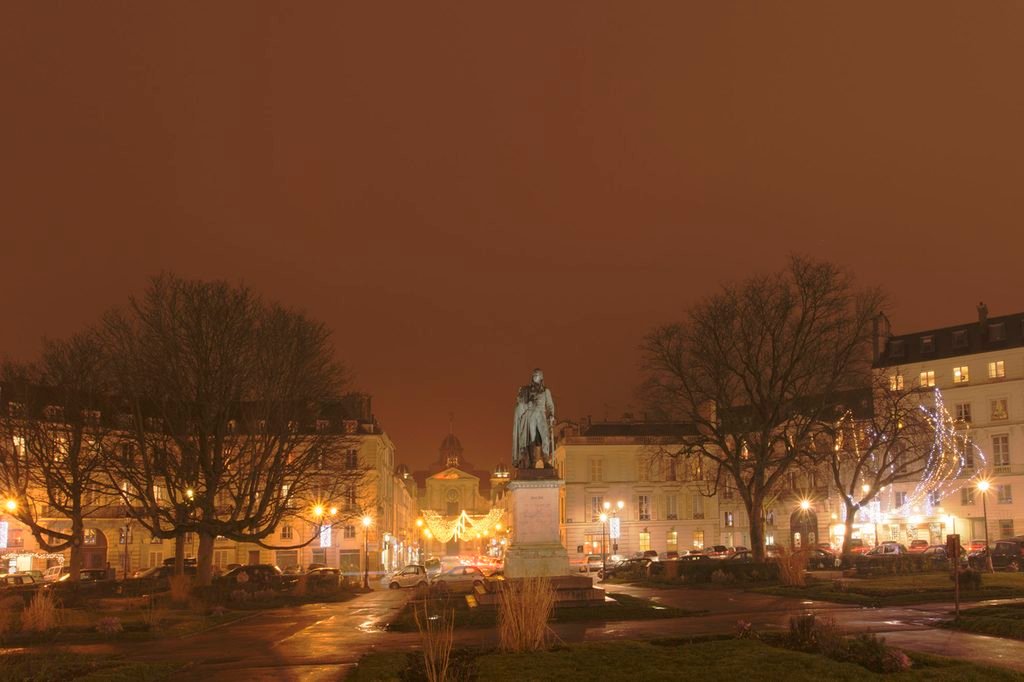
Despite ongoing efforts to attract tourists into its streets, Versailles is not an easy city to read. The broad avenues and the changing architecture encountered as one approaches the palace create a sense of compartmentalisation. Versailles is divided into quartiers after all.
As I set out to photograph the city, I was struck by one parallel. In Versailles, Louis XIV imposed strict building regulations that gave the town an architectural unity. Across the Kingdom, he reinforced a long process through which the French monarchy reduced the influence of feudal and provincial authorities and consolidated one of the most centralised states in Europe.
There is more to keep a photographer interested. The town quickly expanded beyond the original patte d’oie design (literally “goose-foot”), with the palace at the convergence of three grand avenues. After the reign of Louis XIV, many of these urban restrictions gradually fell out of use. Taller buildings appeared, urbanisation intensified, and the town developed along lines more typical of prosperous French towns of the eighteenth and nineteenth centuries.
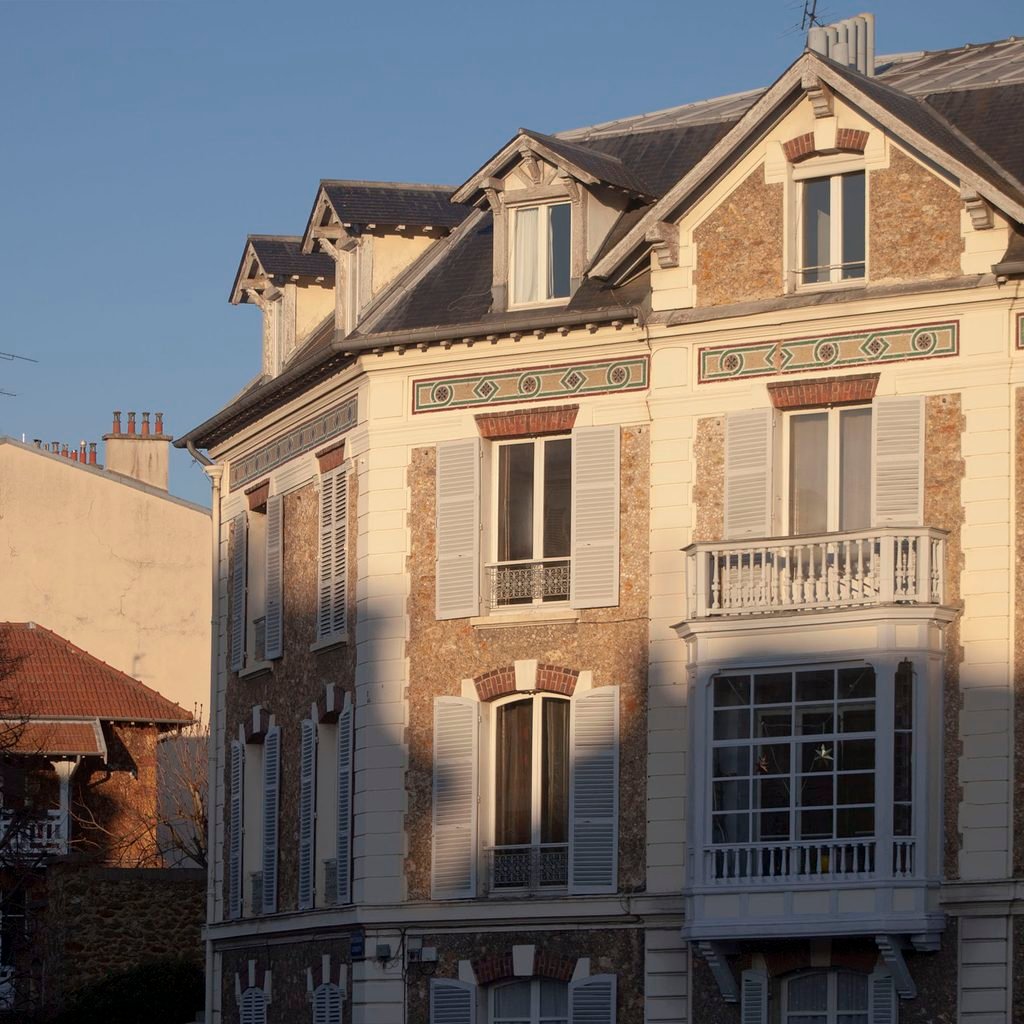
Behind the camera, Versailles reveals itself like a cubist painting, where different centuries coexist within the same frame.
Beyond the decorum inherited from the monarchy, there is a more intimate Versailles to discover. One only has to walk past the Notre-Dame market to find pedestrian streets where much of the town’s older character remains. The Carrés Saint-Louis, once built as a market and now a photographic challenge in its own right, form a picturesque and unusual ensemble, a perfect example of the town’s evolution.
In the shadows of the church of Notre-Dame or the Cathedral of Saint-Louis, smaller places of worship are woven into the urban fabric with a quiet confidence. They belong not to the Versailles of royal ceremony, but to the Versailles of everyday life.
The traces of successive centuries are everywhere. An eighteenth-century house may stand beside a nineteenth-century apartment building, while reminders of the town’s military, administrative and commercial functions appear in unexpected corners. Unlike the palace, which presents a carefully composed narrative, the town reveals itself gradually and often by accident.
For a photographer, that is perhaps Versailles’ greatest attraction. The challenge is not to capture a monument already depicted countless times, but to uncover the layers of a city that evolved long after the court departed. Behind the image of royal grandeur lies a living town.