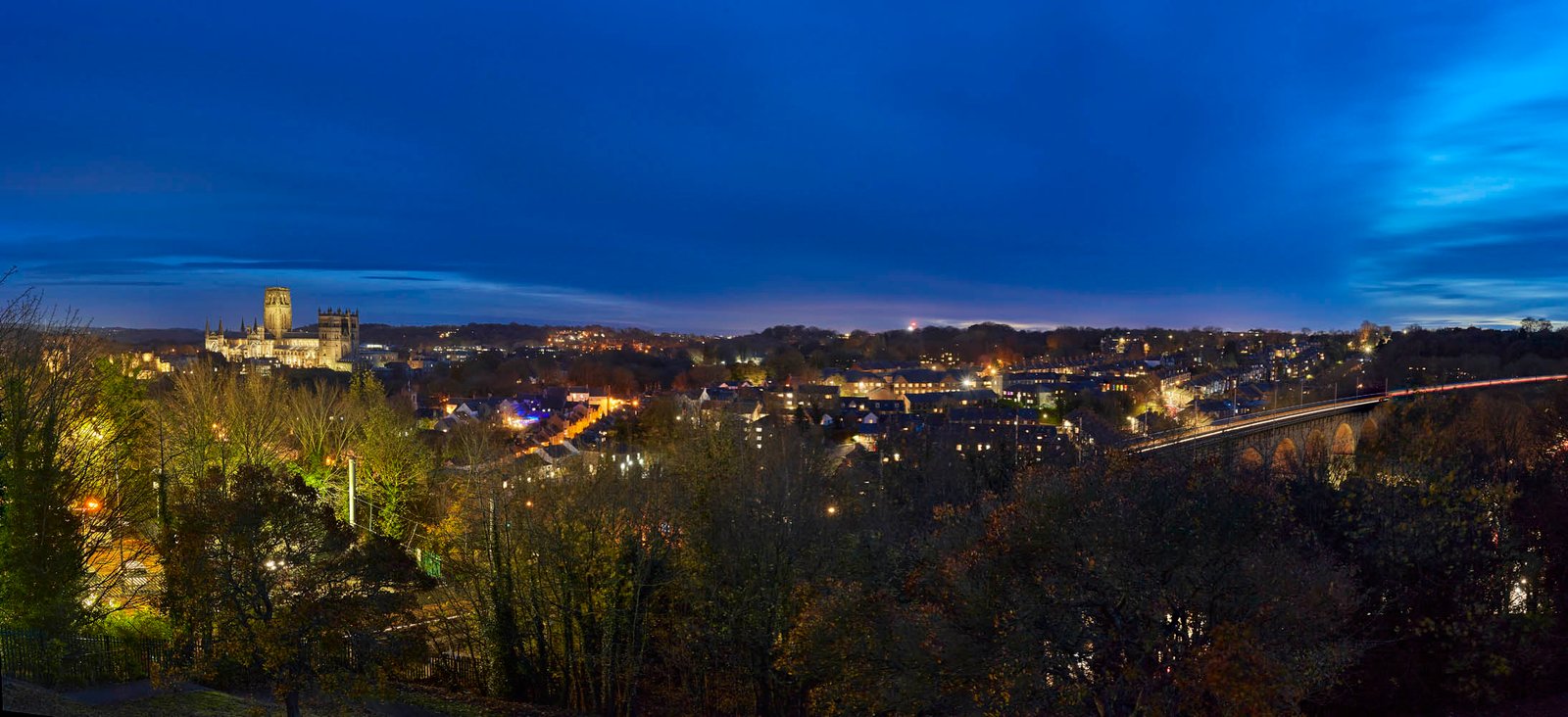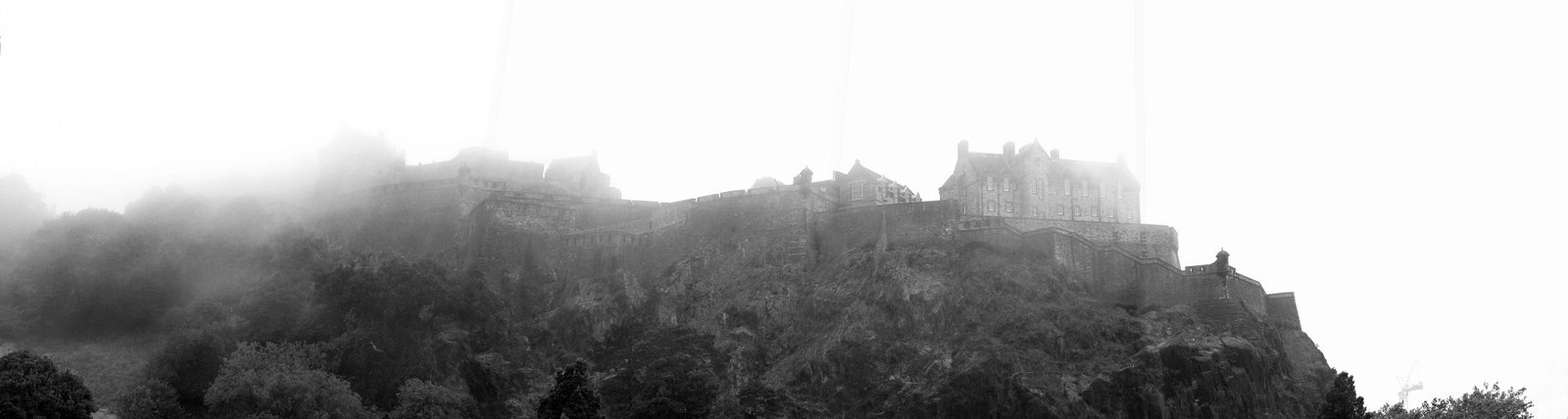
The quest to capture a wider view is almost as old as photography itself. In 1848, W. S. Porter produced a monumental panorama by assembling eight separate daguerreotypes into a single cohesive expanse. More than a century and a half later, digital technology achieves a remarkably similar result through vastly different means, pushing the field of view far beyond what a conventional frame can contain.
Yet the true challenge of panoramic photography has never been purely technical.
When hanging a panorama in an exhibition, it is compelling to watch how viewers encounter it. Drawn initially by its unusual proportions, they soon slow down; a panorama asks to be explored rather than simply seen. This mirrors how we naturally experience a vista. When gazing across a sweeping landscape, vision is never static : our eyes wander, our attention shifts, and we absorb space in motion. A panoramic photograph honours that natural rhythm by giving the eye room to travel.
This expanded horizon, however, introduces a delicate discipline. When the frame opens up, it becomes tempting to include more simply because space allows, turning a photograph into a mere inventory of a scene rather than a deliberate composition.
Panoramic framing can also offer an entirely distinct perspective on a subject, a vision famously embraced in Hasselblad’s iconic XPan campaigns. Yet altering the field of view does not, by itself, create a meaningful photograph.
True art demands both technical rigor and intentional narrative. A dance is never a mere sequence of skilful movements; every gesture exists to serve a story. Photography operates on the same principle: a frame is never just an expanse of captured light. Long before setting up a tripod, the photographer has already begun shaping what the scene means, composing a silent narrative in the mind.
When intention meets technique, the panorama transcends a picture. The objective is never merely to show more, but to give the viewer more to perceive. When successful, it becomes an immersive experience. We no longer just look at the image; we read it, discovering relationships across the frame and gradually understanding the piece as a whole. That is the true allure of the panoramic format: it does not simply make a photograph wider, it transforms how we behold it.